
Blog
May 19, 2026
Guides
Complete Guide to PPC Advertising in 2026: Strategies & ROI
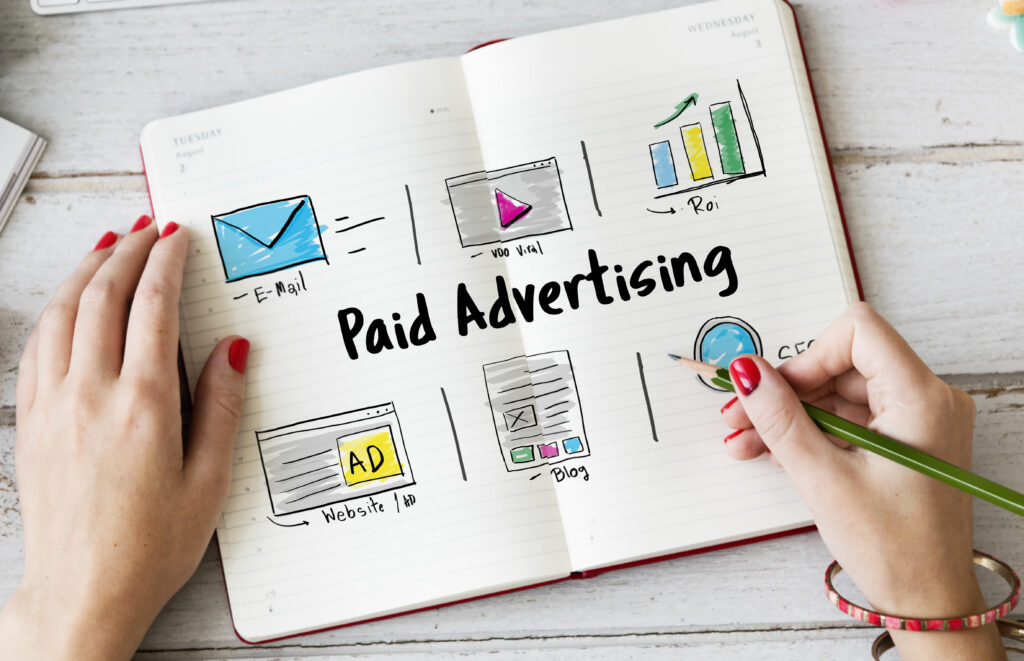
PPC advertising continues to be one of the fastest and most effective digital marketing channels in 2026. While organic marketing strategies like SEO remain essential for long-term growth, businesses still rely heavily on paid advertising to generate immediate visibility, qualified leads, and scalable revenue. Global digital ad spending is expected to cross hundreds of billions of dollars this year alone, showing how aggressively brands continue investing in paid search and online advertising.
PPC advertising, however, has changed dramatically. AI-driven automation, predictive audience targeting, conversational search behavior, and rising advertising competition are transforming how campaigns are built and optimized. Platforms like Google Ads now use machine learning extensively to improve targeting, bidding, and ad delivery in real time.
At the same time, businesses face growing pressure to maximize ROI while managing increasing cost-per-click rates across competitive industries. Running profitable campaigns today requires much more than simply launching ads. Success now depends on strategy, audience understanding, landing page optimization, data analysis, and continuous refinement.
This guide explores everything businesses need to know about PPC advertising in 2026, including strategies, campaign types, optimization techniques, common mistakes, and how to maximize long-term ROI in a highly competitive digital landscape.
Modern PPC campaigns rely heavily on continuous testing and optimization rather than static setups.
Modern PPC is far more intelligent and personalized than earlier advertising systems.
Traffic generation alone is not enough. Conversion optimization is equally important.
Using multiple campaign types together often creates stronger full-funnel advertising performance.
PPC today is an advertising channel and a valuable market intelligence tool.
A campaign may have:
The strongest digital marketing systems usually integrate both approaches strategically instead of relying entirely on one.
What is PPC Advertising? Let’s Break It Down!
PPC advertising, short for Pay-Per-Click advertising, is a digital marketing model where advertisers pay a fee each time a user clicks on their advertisement. Instead of earning traffic organically through SEO, businesses use PPC to buy visibility directly on search engines, websites, apps, and social media platforms. PPC has evolved far beyond simple keyword bidding. In 2026, successful campaigns rely heavily on AI-powered targeting, user intent analysis, audience behavior tracking, and conversion optimization strategies. Modern PPC is now a combination of advertising psychology, machine learning, data analytics, and user experience optimization.Explaining PPC Model to Help You Understand
The PPC model works by allowing advertisers to bid on keywords, audience segments, or placements where they want their ads displayed. When users interact with those ads, advertisers pay based on the agreed bidding structure. The amount advertisers pay can depend on:- Keyword competition
- Audience targeting precision
- Ad quality and relevance
- Industry demand and bidding activity
- Landing page experience
How PPC Works in Modern Search Engines
Modern search engines use advanced auction systems to determine which ads appear for specific searches. However, rankings are no longer based only on the highest bid amount. Platforms now evaluate:- Ad relevance and quality score
- Expected click-through rate
- Landing page quality
- User experience signals
- Search intent alignment
| PPC Step | Description |
| Keyword Targeting | Advertisers choose search terms or audience signals |
| Ad Auction | Platforms evaluate bids and quality scores |
| Ad Placement | Relevant ads appear in search or display placements |
| User Click | Advertiser pays when users click the ad |
| Conversion Tracking | Campaign performance is measured and optimized |
Difference Between SEO & PPC – A Clear Cut Perspective
SEO and PPC are both search marketing strategies, but they work very differently in terms of traffic generation, speed, and investment structure. SEO focuses on earning organic visibility naturally over time, while PPC provides immediate paid visibility through advertising platforms. Key differences include:- SEO generates unpaid organic traffic
- PPC generates paid traffic instantly
- SEO builds long-term authority gradually
- PPC depends on ongoing advertising spend
- SEO compounds over time
- PPC stops when campaigns stop
-
Major PPC Platforms in 2026
-
Google Ads
- Search advertising
- Display advertising
- Shopping campaigns
- Video advertising through YouTube
- Retargeting campaigns
-
Microsoft Advertising
- Lower competition in some industries
- Potentially lower cost-per-click rates
- Access to Bing and Microsoft ecosystem traffic
- Strong professional audience reach
-
YouTube Ads
- Brand awareness campaigns
- Product demonstrations
- Retargeting audiences
- Educational marketing content
- Conversion-focused video funnels
-
Social Media PPC Platforms
- Audience targeting based on interests and behavior
- Retargeting website visitors
- Brand awareness and engagement campaigns
- Lead generation and direct-response advertising
Why PPC Advertising is Important for Businesses
PPC advertising remains one of the most powerful digital marketing channels because it provides businesses with speed, precision, and measurable performance. Unlike many traditional marketing methods, PPC allows advertisers to reach users actively searching for products, services, or solutions in real time. In 2026, competition across digital platforms is extremely high, making visibility more valuable than ever. Businesses that fail to appear where their audiences search often lose opportunities to competitors immediately. PPC helps brands secure strategic visibility while generating traffic and conversions quickly. Another major advantage is data transparency. PPC campaigns provide detailed insights into user behavior, conversion patterns, audience interests, and ROI performance, helping businesses make more informed marketing decisions.-
Immediate Search Visibility
- New business launches
- Product and service promotions
- Seasonal campaigns
- Competitive industries
- Time-sensitive marketing goals
-
Highly Targeted Audience Reach
- Search intent targeting
- Behavioral audience segmentation
- Geographic and local targeting
- Device-based targeting
- Retargeting previous website visitors
| Traditional Targeting | PPC Targeting in 2026 |
| Broad demographic targeting | AI-driven predictive targeting |
| Basic keyword matching | Intent-based audience segmentation |
| Static audience groups | Dynamic real-time optimization |
| Limited behavioral data | Cross-platform behavioral insights |
| Manual adjustments | Automated audience refinement |
-
Faster Lead Generation
- Generate inquiries immediately
- Drive traffic to conversion-focused landing pages
- Test offers rapidly
- Scale successful campaigns quickly
- Legal services
- Healthcare
- Real estate
- SaaS and technology
- Home services and local businesses
-
Measurable & Scalable Campaigns
- Click-through rate (CTR)
- Cost per click (CPC)
- Conversion rate
- Cost per acquisition (CPA)
- Return on ad spend (ROAS)
- Increased budget allocation
- Expanded audience targeting
- Additional keyword opportunities
- Multi-platform advertising integration
-
Supporting Full-Funnel Marketing Strategies
- Awareness-stage campaigns
- Educational content promotion
- Consideration-stage retargeting
- High-intent conversion campaigns
- Customer retention and remarketing
- Better brand recognition
- Higher conversion consistency
- Improved customer nurturing
- Stronger overall ROI performance
Core Components of a Successful PPC Strategy
Launching ads alone is not enough to create profitable PPC campaigns. In 2026, successful advertising requires structured strategy, continuous optimization, audience understanding, and conversion-focused execution. Many businesses fail because they focus only on traffic volume while ignoring factors like search intent, landing page experience, campaign structure, and conversion quality. Strong PPC strategies combine technical optimization with marketing psychology and user behavior analysis.-
Keyword Research & Search Intent
- User intent behind searches
- Commercial value of keywords
- Competition levels
- Conversion likelihood
- Semantic relevance and variations
- Informational keywords
- Commercial investigation keywords
- Transactional keywords
- Branded search queries
-
Audience Targeting & Segmentation
- Demographic targeting
- Behavioral targeting
- Interest-based audiences
- Purchase intent audiences
- Retargeting previous visitors
- Higher conversion rates
- Lower acquisition costs
- Better ad relevance
- Improved budget efficiency
-
Ad Copywriting & Messaging
- Clear value propositions
- User pain points and solutions
- Trust and credibility signals
- Strong calls-to-action
- Search intent alignment
- Numbers and statistics
- Benefit-driven language
- Urgency or exclusivity
- Emotional triggers
- Direct action-oriented CTAs
-
Landing Page Optimization
- Fast loading speed
- Clear messaging alignment with ads
- Mobile-friendly design
- Simple conversion paths
- Strong trust elements and CTAs
| Landing Page Element | Purpose |
| Strong headline | Matches user intent immediately |
| Clear CTA | Encourages conversions quickly |
| Trust signals | Builds credibility and confidence |
| Fast performance | Reduces bounce rates |
| Mobile optimization | Improves usability across devices |
-
Bid Management & Budget Control
- Competitive bidding opportunities
- Acquisition costs
- Conversion quality
- Campaign scalability
- ROI targets
- Automated bidding systems
- Smart bidding strategies
- AI-driven optimization tools
- Budget forecasting capabilities
-
Conversion Tracking & Analytics
- Which campaigns generate results
- Which keywords drive conversions
- Which audiences perform best
- How users behave after clicking ads
- Form submission tracking
- Purchase tracking
- Call tracking
- CRM integration
- Revenue attribution systems
Types of PPC Advertising Campaigns
PPC advertising is no longer limited to simple text ads on search engines. Modern businesses can now run highly specialized campaigns across multiple digital environments depending on their goals, audiences, and products. Different campaign types serve different purposes throughout the customer journey. Some campaigns focus on direct conversions, while others prioritize brand awareness, engagement, or remarketing. Understanding how each campaign type works helps businesses build more balanced and profitable PPC strategies.-
Search Ads
- Lead generation
- Local services
- Ecommerce sales
- High-intent commercial searches
- Brand visibility for competitive keywords
- Strong commercial intent targeting
- Immediate visibility
- High conversion potential
- Measurable ROI performance
-
Display Advertising
- Brand awareness campaigns
- Audience retargeting
- Product promotion
- Visual storytelling
- Expanding audience reach
- Static banner ads
- Responsive display ads
- Interactive visual ads
- Animated creatives
-
Shopping Ads
- Product images
- Pricing information
- Ratings and reviews
- Merchant details
- Higher purchase intent traffic
- Strong product visibility
- Better ecommerce conversion opportunities
- Improved click-through rates for product searches
-
Video Advertising
- Brand storytelling
- Product demonstrations
- Educational content
- Retargeting campaigns
- Awareness and engagement growth
- Visual engagement
- Emotional connection
- Educational communication
- High audience retention potential
-
Retargeting & Remarketing Campaigns
- Visited specific pages
- Added products to carts
- Viewed services without converting
- Interacted with previous ads or videos
- Higher conversion rates
- Lower acquisition costs
- Improved brand recall
- Better customer nurturing opportunities
-
Local PPC Campaigns
- Local service providers
- Restaurants and retail stores
- Medical practices
- Real estate businesses
- Location-based service companies
- Geographic targeting
- Call-focused ads
- Map visibility enhancements
- Location extensions
| Campaign Type | Primary Goal |
| Search Ads | Direct conversions and lead generation |
| Display Ads | Brand awareness and audience expansion |
| Shopping Ads | Ecommerce product sales |
| Video Ads | Engagement and visual storytelling |
| Retargeting Ads | Re-engaging previous visitors |
| Local PPC Ads | Geographic lead generation |
PPC Advertising Strategies That Work in 2026
PPC advertising has become significantly more sophisticated due to AI, automation, audience intelligence, and changing user behavior. Running successful campaigns in 2026 requires more than simply bidding on keywords and writing ads. Modern PPC success depends on strategic optimization, intelligent targeting, and continuous performance refinement. Businesses that adapt to newer advertising systems and consumer behaviors are more likely to maintain profitable campaigns in increasingly competitive environments.-
AI-Powered Campaign Optimization
- Predict conversion likelihood
- Optimize bidding in real time
- Identify high-performing audiences
- Improve ad relevance dynamically
- Reduce inefficient spending
-
Smart Bidding Strategies
- Target CPA (Cost Per Acquisition)
- Target ROAS (Return on Ad Spend)
- Maximize Conversions
- Maximize Clicks
- Enhanced CPC strategies
- Reduce manual management workload
- Optimize campaign efficiency
- Improve conversion-focused performance
- Adjust bids dynamically across devices and audiences
-
First-Party Data & Audience Signals
- Website visitor behavior
- CRM customer information
- Email subscriber engagement
- Purchase history and interactions
- Improve audience personalization
- Strengthen retargeting campaigns
- Reduce dependency on third-party tracking
- Build stronger customer relationships
-
Multi-Channel PPC Integration
- Search advertising
- Social media ads
- Video advertising
- Display retargeting
- Ecommerce campaigns
- Increase visibility across the funnel
- Improve brand recognition
- Strengthen conversion opportunities
- Create more cohesive customer experiences
-
Intent-Based Keyword Targeting
- Ready to purchase
- Comparing solutions
- Looking for specific services
- Searching with strong commercial intent
- Conversion quality
- Cost efficiency
- Click-through rates
- Overall ROI performance
-
Using PPC Data for Business Insights
- Improve SEO content strategy
- Understand customer intent patterns
- Refine product messaging
- Optimize landing pages
- Identify profitable audience segments
| PPC Insight | Business Benefit |
| High-converting keywords | Better SEO and content targeting |
| Audience behavior patterns | Improved personalization |
| Conversion path analysis | Stronger funnel optimization |
| Ad performance data | Better messaging and branding |
| Device and location insights | Smarter targeting decisions |
Measuring PPC ROI in 2026
Measuring return on investment is one of the most important aspects of PPC advertising. Businesses are no longer focused solely on clicks or impressions because visibility alone does not guarantee profitability. Modern PPC success depends on understanding how campaigns contribute to leads, revenue, customer acquisition, and long-term business growth.-
Important PPC Metrics to Track
- Click-through rate (CTR)
- Cost per click (CPC)
- Conversion rate
- Cost per acquisition (CPA)
- Return on ad spend (ROAS)
- Customer lifetime value (CLV)
- CTR measures ad engagement effectiveness
- CPA evaluates acquisition efficiency
- ROAS measures revenue generated from ad spend
-
Cost Per Click vs Cost Per Acquisition
| Metric | Meaning |
| CPC | Amount paid for each click |
| CPA | Amount spent to acquire one customer or lead |
- Low CPC but poor conversions
- Higher CPC but stronger profitability
-
ROAS vs ROI
- ROAS focuses mainly on advertising efficiency
- ROI reflects overall business profitability
-
Understanding Customer Lifetime Value
- Some campaigns attract higher-value customers
- Repeat customers improve long-term profitability
- Higher acquisition costs may still be justified for valuable clients
How to Improve PPC Profitability
Improving PPC profitability requires continuous optimization across multiple areas. Businesses can improve ROI by:- Refining keyword targeting
- Improving landing page conversions
- Enhancing ad relevance and quality scores
- Reducing wasted ad spend
- Strengthening audience segmentation
- Data analysis
- Testing and experimentation
- Strategic scaling
- Audience understanding
- Consistent performance refinement
Building a Complete Search Marketing Strategy
Modern digital marketing works best when channels support each other instead of operating independently. A complete search strategy often combines:- SEO for long-term authority
- PPC for immediate visibility
- Retargeting for customer nurturing
- Content marketing for education
- Analytics for optimization and scaling
| SEO | PPC |
| Long-term organic growth | Immediate paid visibility |
| Builds authority gradually | Delivers fast traffic |
| Lower long-term acquisition costs | Faster lead generation |
| Compounding traffic value | Budget-dependent visibility |
| Strong trust and credibility | Precise audience targeting |
The Ending Note
PPC advertising in 2026 is far more advanced, competitive, and data-driven than ever before. Businesses can no longer rely on basic keyword bidding and generic ads to achieve meaningful results. Success now depends on strategy, audience understanding, conversion optimization, and continuous campaign refinement. Modern PPC platforms use AI and automation extensively, helping advertisers improve targeting, bidding, and performance optimization. However, technology alone is not enough. The businesses generating the strongest ROI are the ones combining automation with human creativity, strategic planning, and deep customer understanding. Throughout this guide, we explored how PPC advertising works, the major campaign types, optimization strategies, profitability metrics, and future trends shaping the industry. From search ads and retargeting campaigns to predictive targeting and first-party data strategies, PPC continues evolving into a sophisticated performance marketing ecosystem. At the same time, rising advertising competition means efficiency matters more than ever. Businesses that focus only on clicks without optimizing landing pages, audience targeting, or conversion quality often struggle with profitability. Sustainable PPC success comes from continuous testing, data analysis, and strategic scaling. The future of PPC will belong to brands that adapt quickly, understand search intent deeply, and create user-focused advertising experiences across multiple digital platforms. Businesses that combine strong strategy with ongoing optimization will continue turning PPC advertising into one of their most powerful growth channels.Frequently Asked Questions
1. What is PPC advertising?
PPC advertising is a digital marketing model where advertisers pay each time a user clicks on their ad. It helps businesses generate targeted traffic through paid placements on search engines, websites, and social media platforms.2. Is PPC still effective in 2026?
Yes, PPC remains highly effective in 2026 because it provides immediate visibility, precise targeting, measurable performance, and scalable lead generation opportunities for businesses across industries.3. Which PPC platform is best for businesses?
The best PPC platform depends on business goals and audience behavior. Google Ads is the most widely used, while platforms like LinkedIn and Meta work well for specialized targeting.4. How much should businesses spend on PPC?
PPC budgets vary based on industry competition, goals, audience size, and acquisition costs. Businesses should focus on profitability and ROI rather than choosing arbitrary budget amounts.5. What is the difference between PPC and SEO?
PPC generates paid traffic instantly through advertising, while SEO focuses on earning organic visibility naturally over time. PPC delivers faster results, while SEO provides stronger long-term sustainability and authority growth.About Us
In a landscape of generic digital services, TechCreeps stands apart as a full stack digital agency in USA dedicated to technical excellence and measurable ROI. We were founded on the belief that high performance web development and data-backed search engine optimization should not exist in silos. Our mission is to provide enterprises with a unified digital infrastructure that doesn’t just look impressive but functions as a powerful revenue-generating engine.